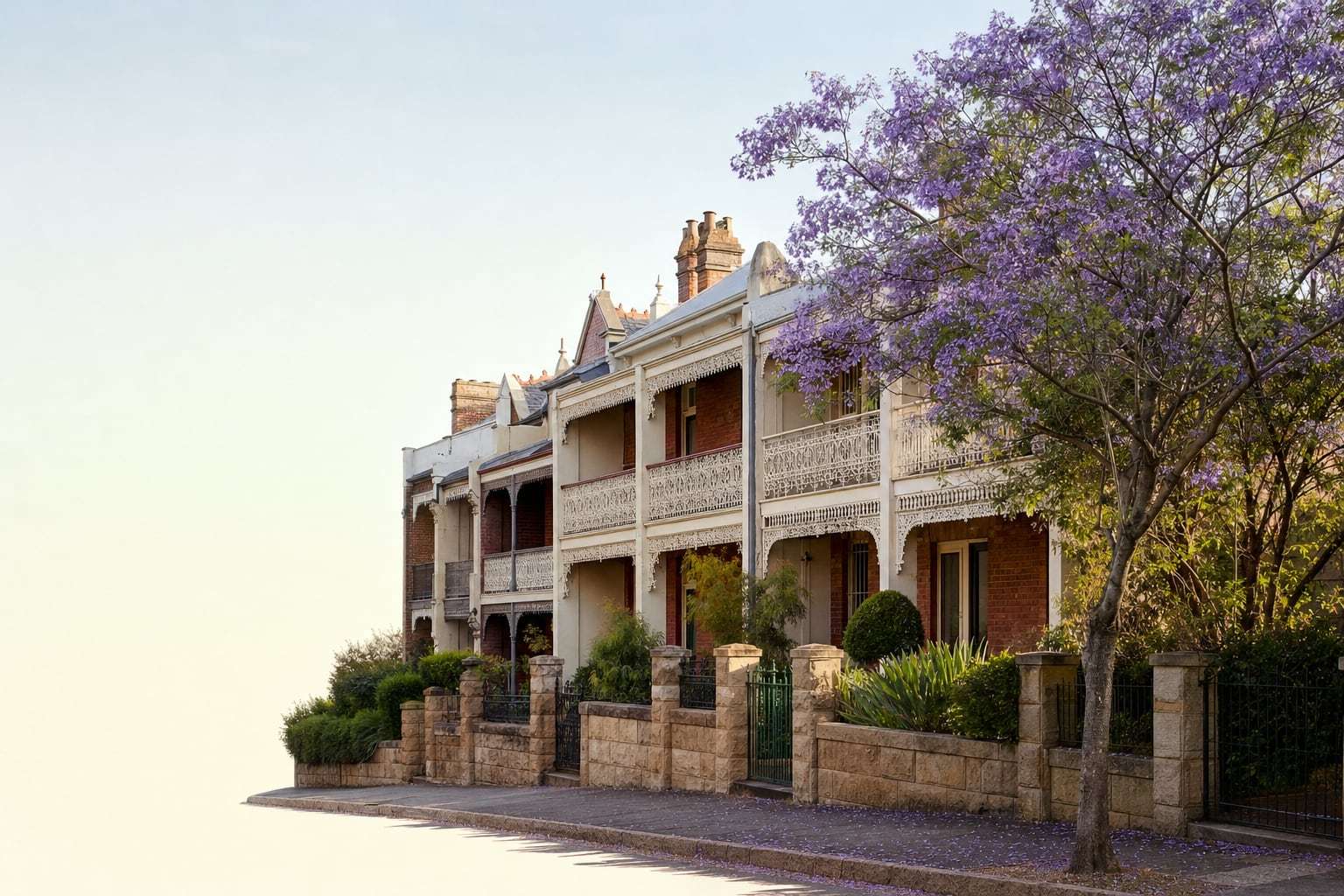
Inner West Rising Damp
Tide marks, flaking paint or a musty smell downstairs? Book a free on-site damp inspection with a local Inner West team.
Chemical and physical damp courses, subfloor ventilation and salt-resistant replastering for Victorian terraces, Federation cottages and sandstone homes across the Inner West. We find the cause first, then fix it.
Rising damp treatment in the Inner West
Damp courses, ventilation and the repairs that follow, chosen to suit how your house was built.
Why Inner West homeowners call us about damp
Built for old walls
Solid brick, sandstone footings and lime mortar are what we work on every week, so the treatment is chosen for the wall, not the other way round.
Cause first
We measure moisture and check drainage, ground levels, leaks and ventilation before recommending a damp course, so you only pay for what fixes the problem.
Fixed-price quotes
You get a written, fixed-price quote after the inspection, with no obligation to go ahead.
How an Inner West damp job runs
- Tell us about the jobFill in the form or call. Size, finish and timing all help.
- A local damp specialist calls youYour enquiry goes to one damp specialist who works in your area.
- Get your quote on siteThey measure up and quote. There’s no obligation to go ahead.
Damp proofing built for Inner West heritage homes
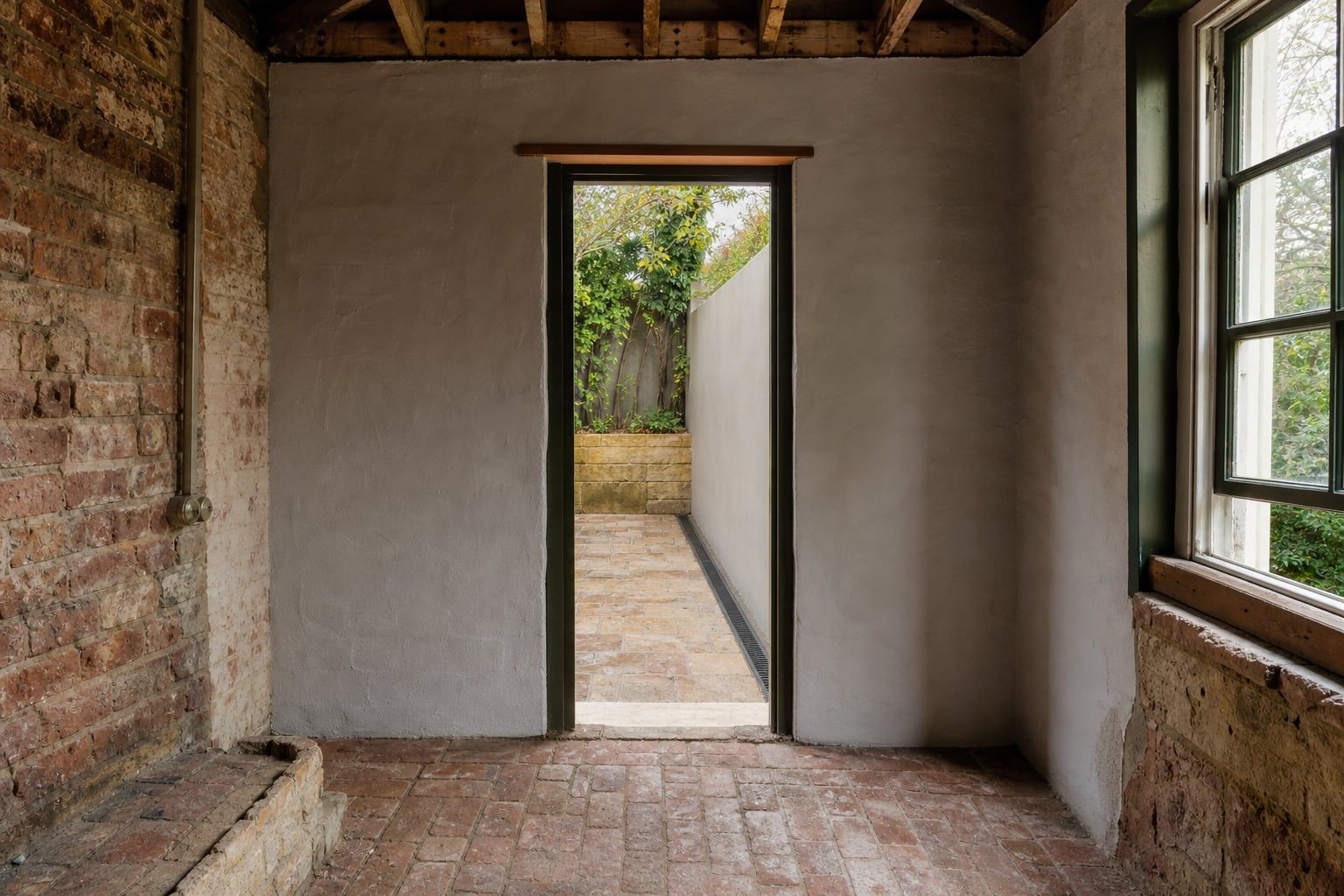
Inner West rising damp is mostly a problem of age. Between the 1850s and the early 1900s, the streets from Balmain and Glebe out to Ashfield and Strathfield filled with terraces, semis, cottages and villas built of solid brick and sandstone. Some had slate or bitumen damp courses, which have cracked and perished over a century. Others had none. Many have since had courtyards raised, paths laid against the walls, subfloor vents covered and walls cement rendered, which all push moisture higher.
We treat those homes every week. Every job starts with a free inspection: moisture readings at several heights on each wall, a look under the floor, and a walk around the outside to check levels, downpipes and drainage. Then we tell you plainly what is causing the damp and which walls need work.
What we fix
- Rising damp treatment from inspection to final repair
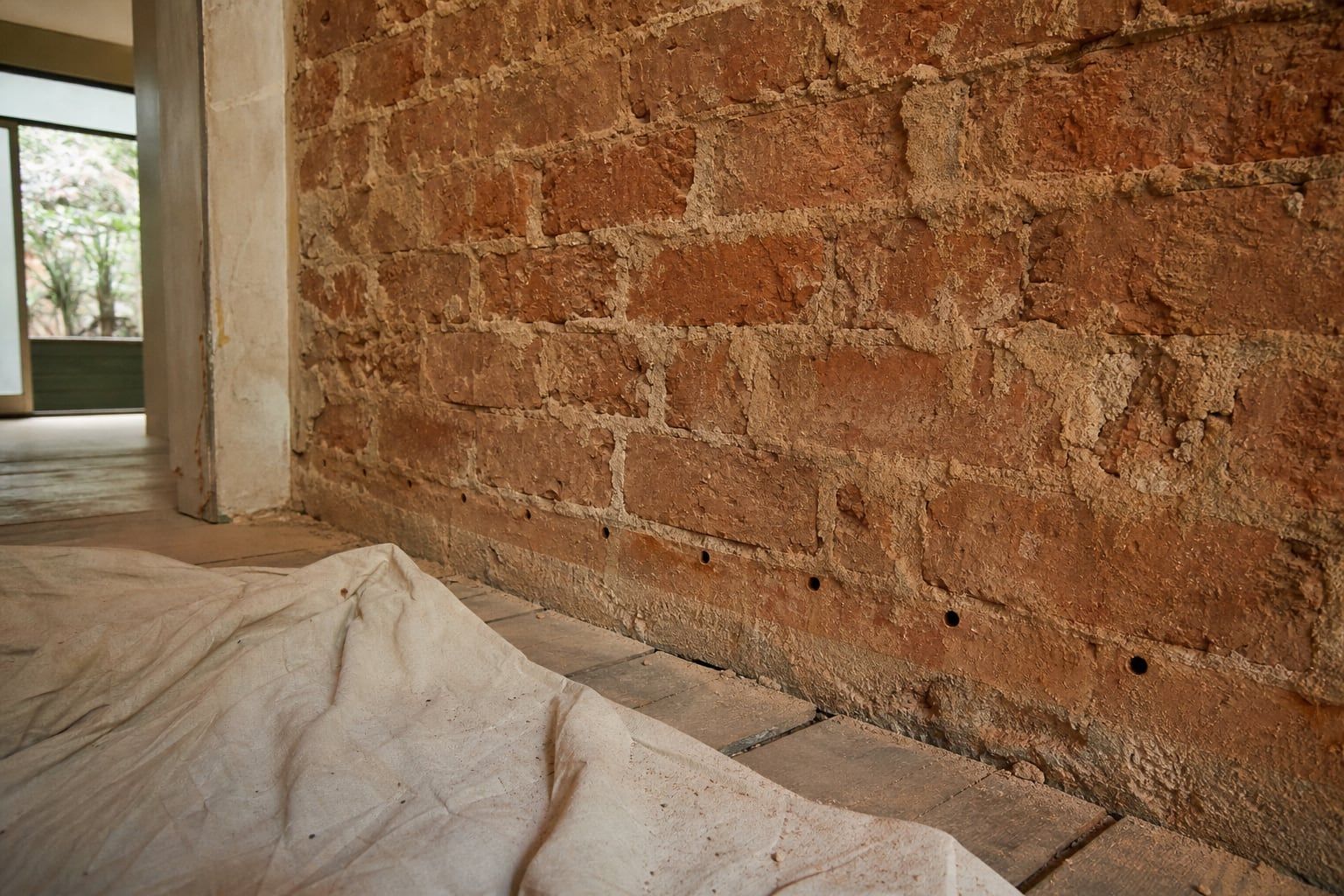
- Chemical damp course injection for solid brick and stone walls
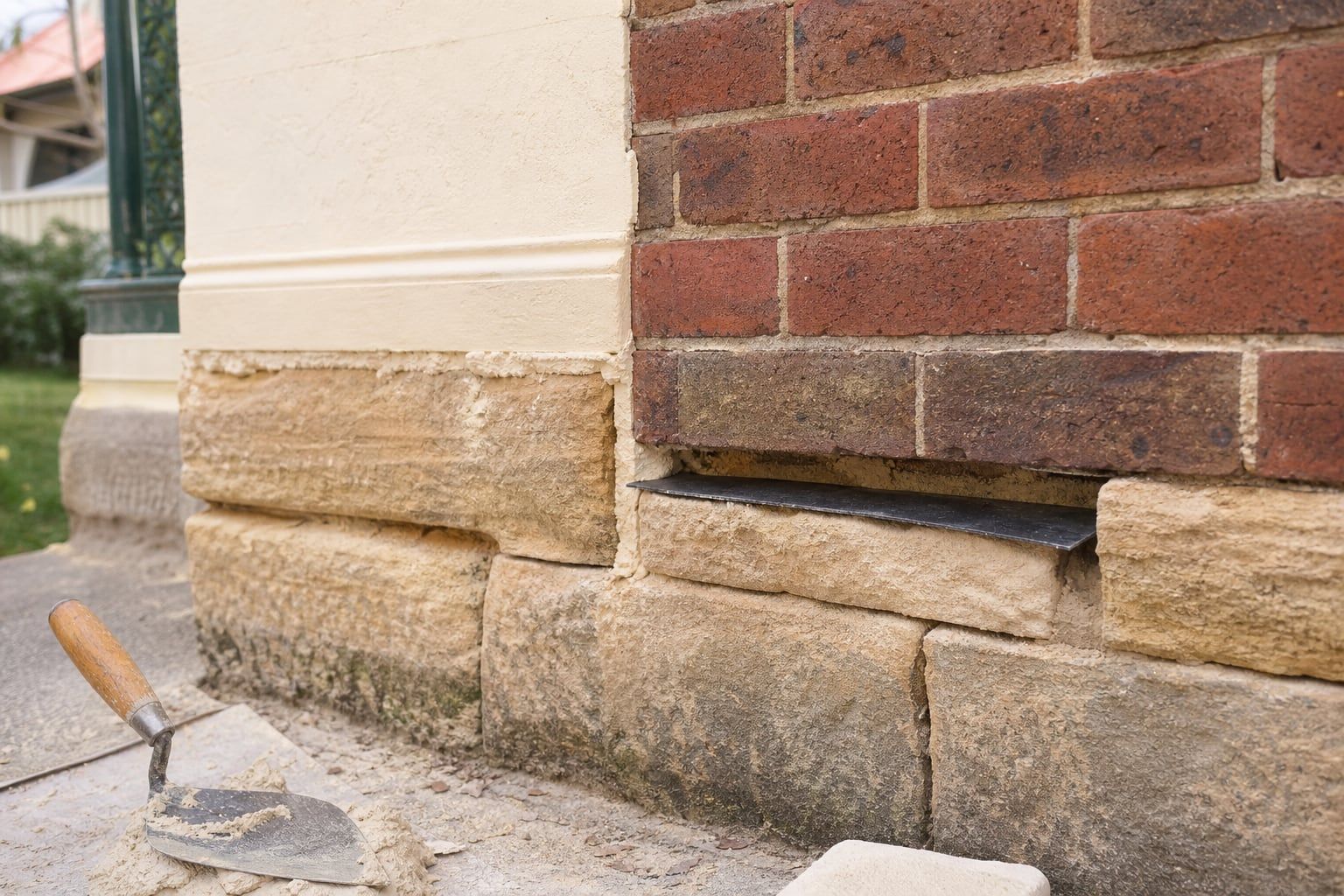
- Physical damp course membranes where injection isn’t the right fit
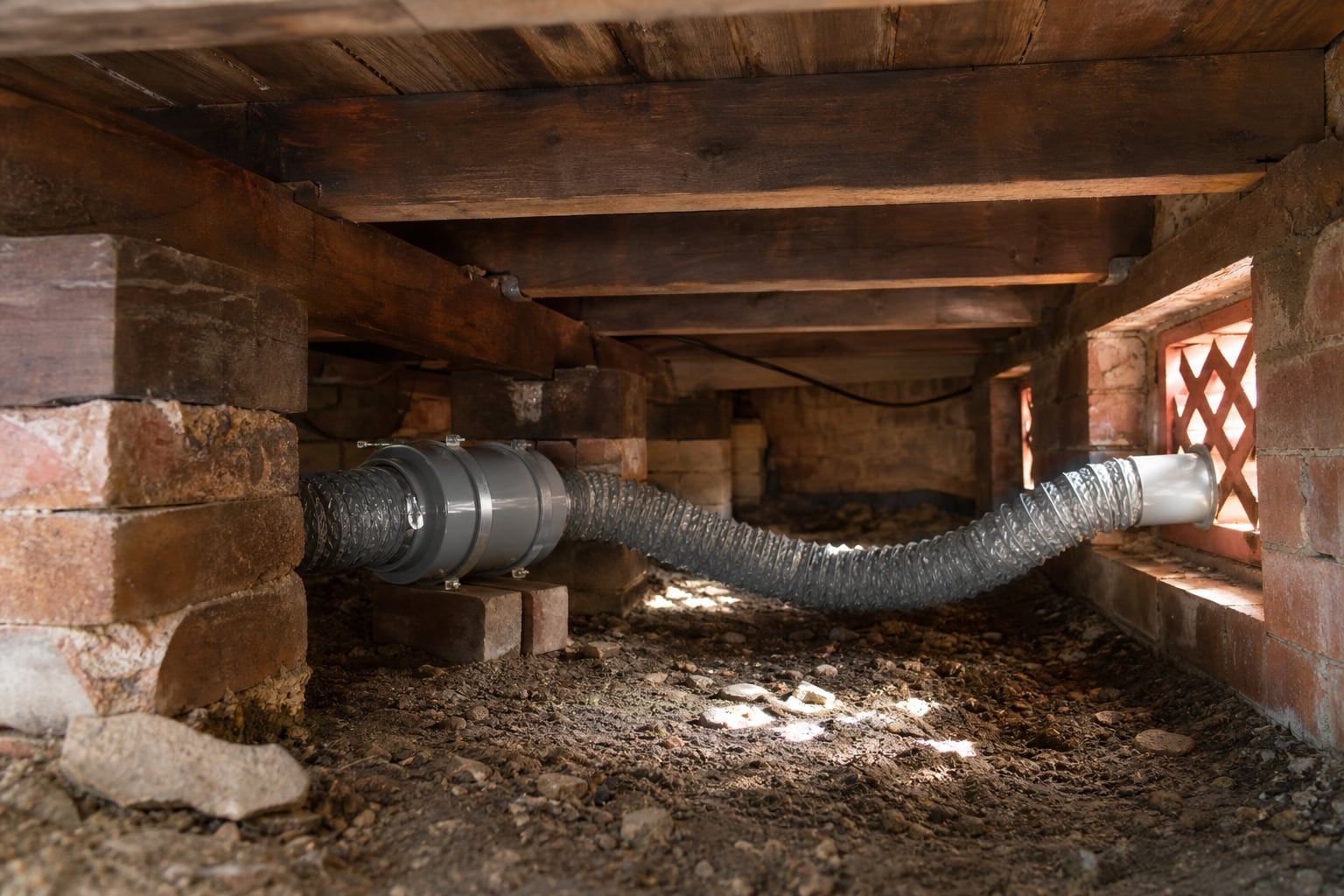
- Subfloor ventilation for damp, musty timber floors
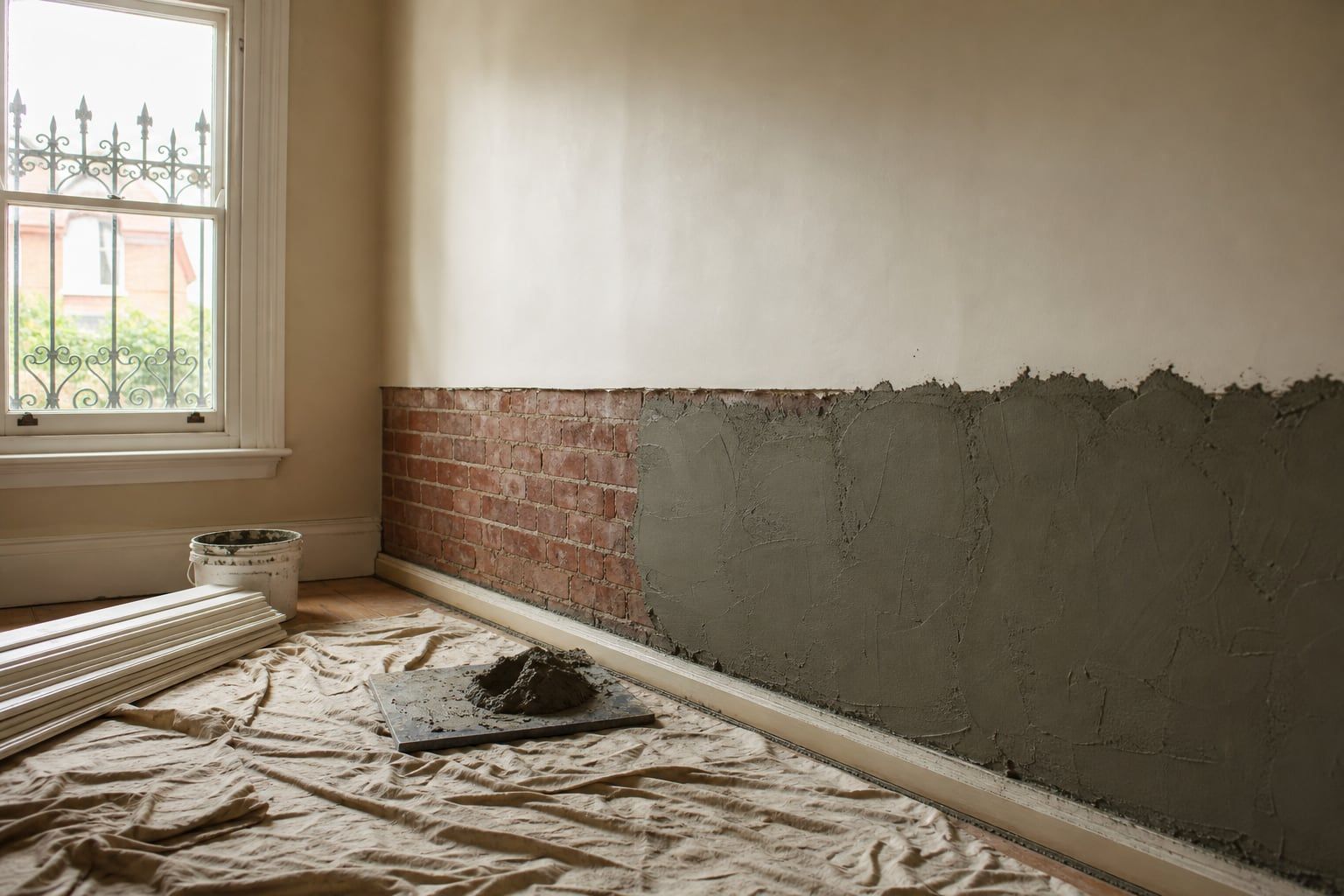
- Salt-damaged plaster repair with salt-resistant render
- Waterproof tanking and drainage for walls against the ground
Why Inner West homes get rising damp
Low-lying streets near the Cooks River, Iron Cove, Hawthorne Canal and the old creek lines through Marrickville and Leichhardt sit closer to the water table. Terrace rows have long party walls with no outside face to dry from, and shallow timber subfloors that were never well ventilated. Renovations often finish the job: plasterboard over damp brick, new slabs above the old damp course, and acrylic paint that seals the wall.
Signs worth checking
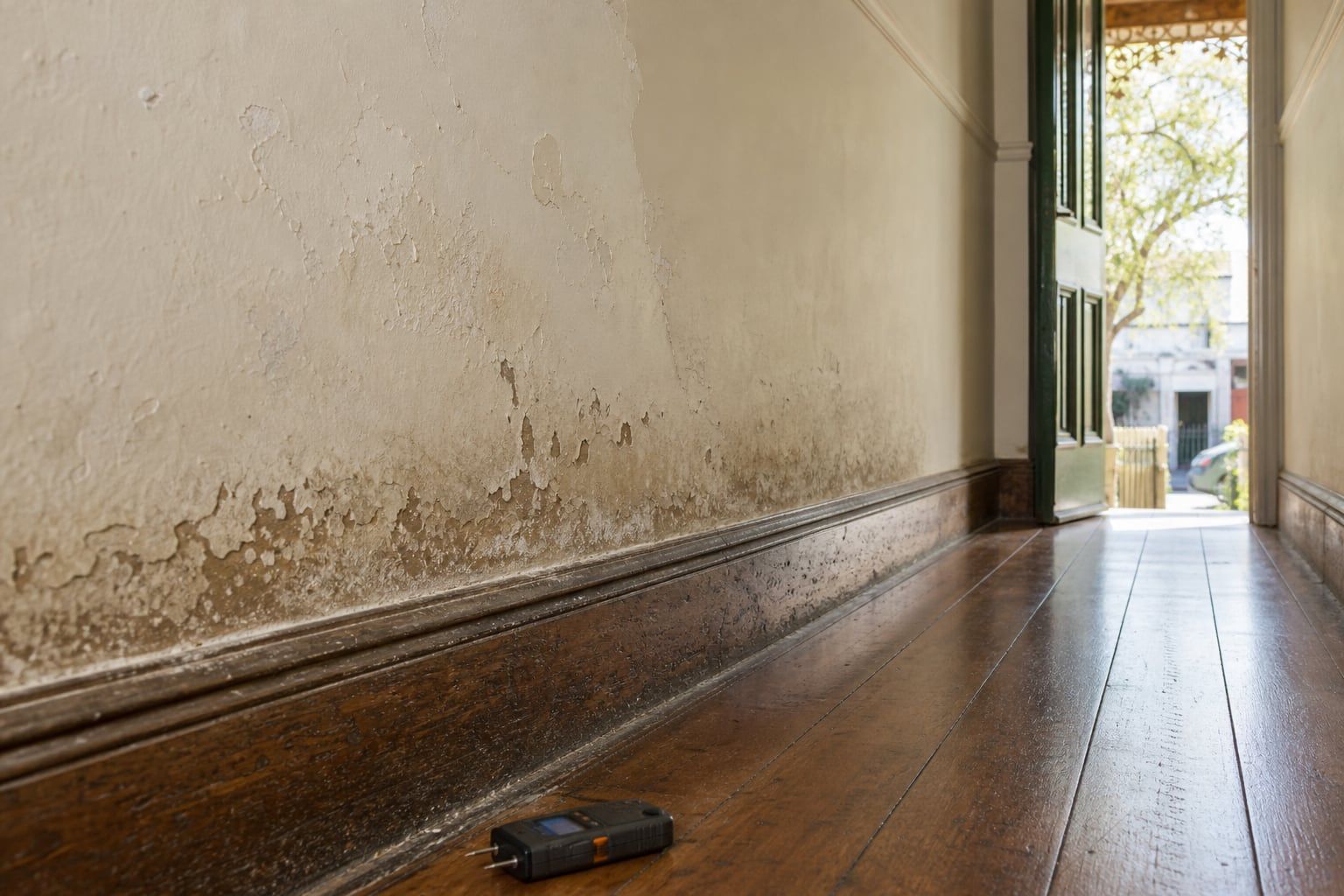
Look for rising damp tide marks along the bottom of the wall, bubbling paint and plaster, salt deposits on walls, mould on internal walls near the floor, cold or soft skirting boards and a musty damp smell in closed rooms. Each of our guides explains what the sign means and what usually fixes it.
Fixed prices, no guesswork
After the inspection you get a written fixed-price quote that lists the walls to be treated, the method, the plaster repairs and the drying time to expect. There is no obligation to go ahead.
Inner West suburbs where we treat rising damp
- Marrickville damp specialists
- Leichhardt damp specialists
- Ashfield damp specialists
- Abbotsford damp specialists
- Annandale damp specialists
- Ashbury damp specialists
- Balmain damp specialists
- Balmain East damp specialists
- Belfield damp specialists
- Birchgrove damp specialists
- Breakfast Point damp specialists
- Burwood damp specialists
- Burwood Heights damp specialists
- Cabarita damp specialists
- Camperdown damp specialists
- Canada Bay damp specialists
- Chiswick damp specialists
- Concord damp specialists
- Concord West damp specialists
- Croydon damp specialists
- Croydon Park damp specialists
- Drummoyne damp specialists
- Dulwich Hill damp specialists
- Earlwood damp specialists
- Enfield damp specialists
- Enmore damp specialists
- Erskineville damp specialists
- Five Dock damp specialists
- Forest Lodge damp specialists
- Gladesville damp specialists
- Glebe damp specialists
- Haberfield damp specialists
- Homebush damp specialists
- Homebush West damp specialists
- Hurlstone Park damp specialists
- Lewisham damp specialists
- Liberty Grove damp specialists
- Lilyfield damp specialists
- Mortlake damp specialists
- Newtown damp specialists
- North Strathfield damp specialists
- Petersham damp specialists
- Rhodes damp specialists
- Rodd Point damp specialists
- Rozelle damp specialists
- Russell Lea damp specialists
- St Peters damp specialists
- Stanmore damp specialists
- Strathfield damp specialists
- Strathfield South damp specialists
- Summer Hill damp specialists
- Sydenham damp specialists
- Tempe damp specialists
- Wareemba damp specialists
Rising damp guides for Inner West homeowners
Inner West rising damp questions
Which councils do you work in?
We work across Inner West Council, the City of Canada Bay, Burwood, Strathfield, and the Inner West parts of the City of Sydney and Canterbury-Bankstown.
How do I know it is rising damp and not a leak?
Rising damp leaves a band of damage from the floor up, usually under about a metre, with a tide line and salt above it. A leak or condensation usually shows in patches, near pipes, windows or ceilings. Moisture readings taken at several heights at the inspection tell them apart.
Will the damp come back after treatment?
A properly installed damp course stops moisture rising past it. Damp can still return if something else bridges it later, such as garden beds built up against the wall or a new path laid too high, so we point those risks out when we finish.
Do I have to move out?
No. Most jobs are done room by room with furniture moved off the treated walls. Drilling and plaster removal are dusty, so we seal off the work area and clean up each day.
Does a chemical damp course work on double brick?
Yes. Cavity and solid double-brick walls are treated from one or both sides depending on thickness and access. Thick sandstone walls in older Balmain and Glebe houses may need injection from both sides.
Can you see the holes afterwards?
The holes are filled with mortar mixed to match as closely as practical. On face brick they are in the joint, not the brick, so they blend in, and inside they are hidden under the new plaster and skirting.