Physical Damp Course Inner West
A new physical barrier inserted into the wall in short sections, for walls that need more than injection.
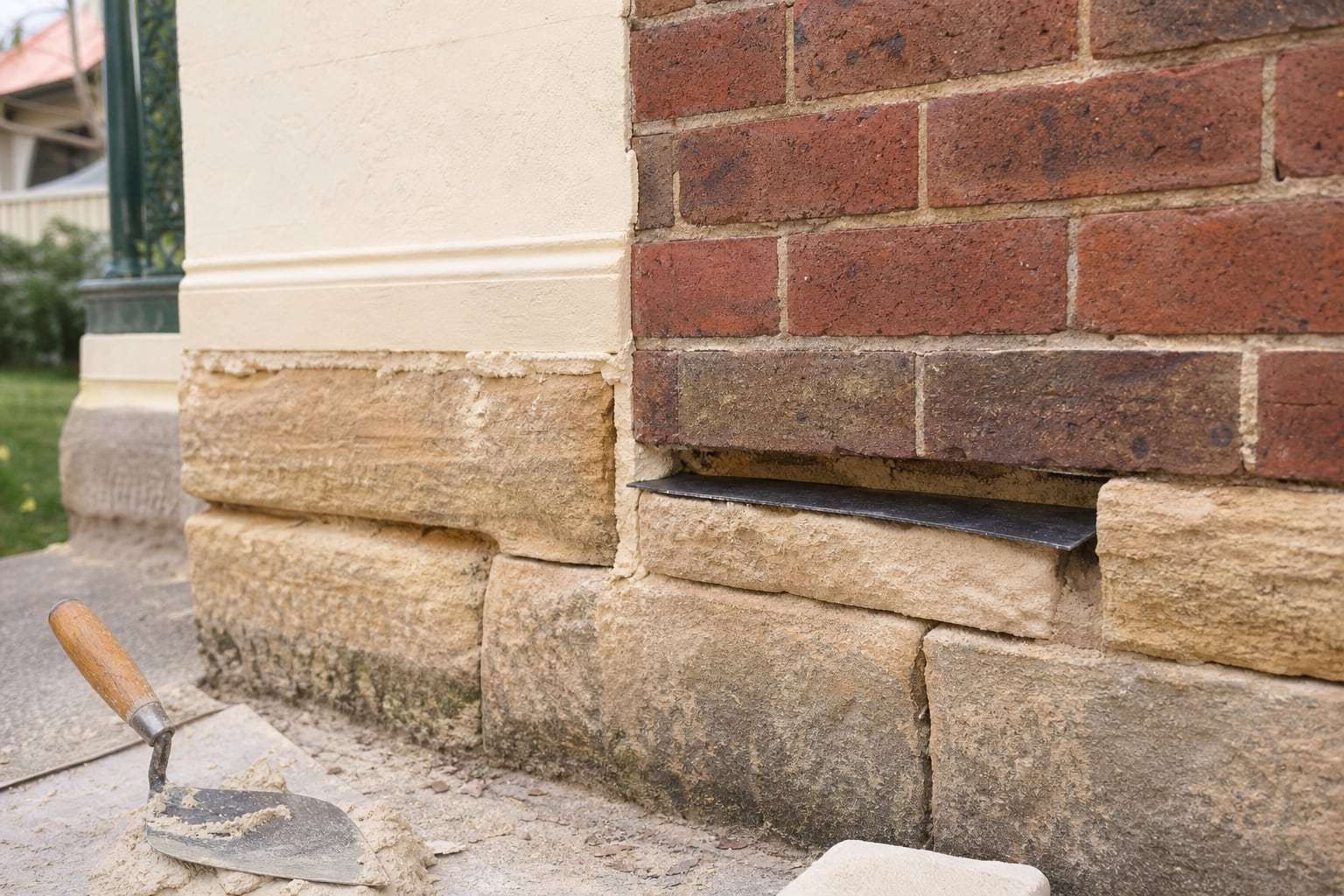
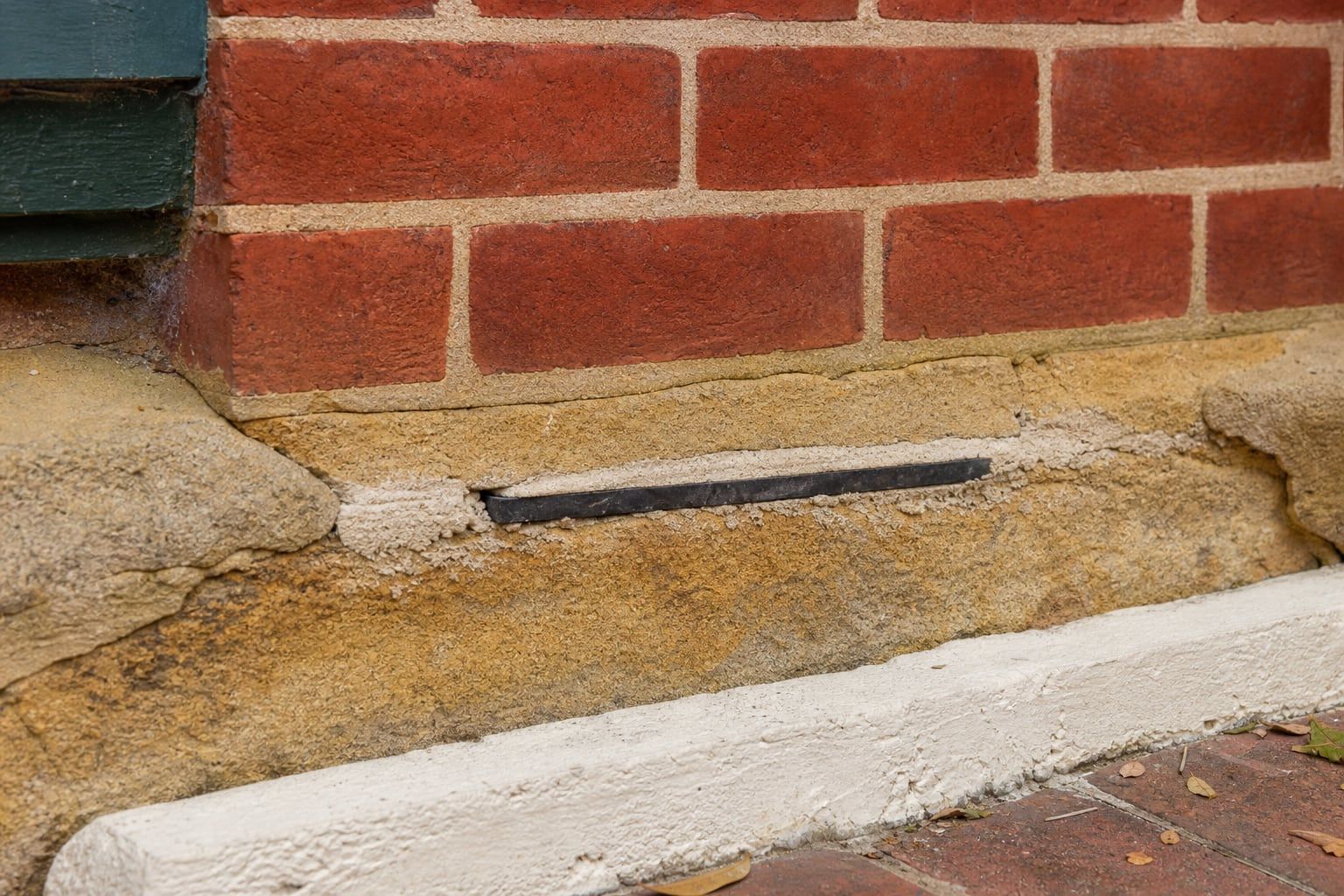
A physical damp course replaces the old barrier with a new one, the same way the house would have been built if it were built today. A narrow slot is cut through a mortar joint near the base of the wall, a strip of damp course membrane is slid in, and the slot is packed with mortar. It is slower than injection but gives a solid, visible barrier, and it is the right answer for some of the older walls in the Inner West.
Walls that suit a cut-in damp course
We usually recommend a physical damp course when a wall is very wet, the mortar has broken down so badly that injected cream won’t spread evenly, or the wall is built in a way that makes injection unreliable. That includes some early sandstone and rubble walls in Balmain, Birchgrove and Glebe, and brick walls where decades of cement pointing and repairs have made the mortar patchy. For most other walls a chemical damp course is quicker and just as effective.
How the work is done
The key is working in short sections. We cut about a metre or less at a time, insert the membrane with a generous overlap to the next piece, and pack the slot with mortar before moving along. That way the wall above is always carried on solid masonry. On walls with heavy loads, such as under a chimney breast or a beam, we plan the sequence carefully and keep sections shorter.
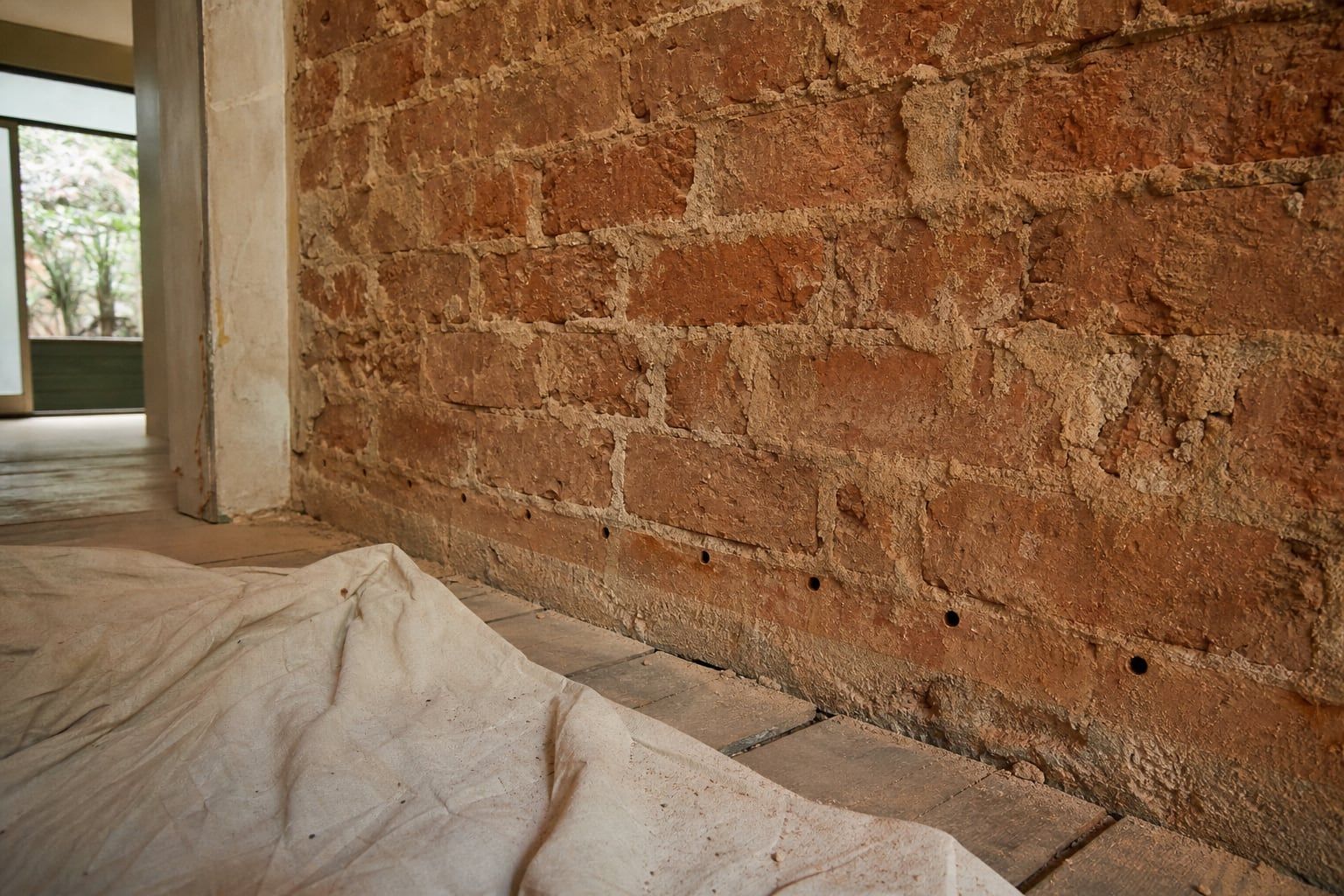
Inside, the old plaster is removed up past the tide mark so the wall can dry. Outside, if the ground or paving is above the new damp course line, it has to be lowered, otherwise the membrane is bridged and moisture goes around it.
Matching old brickwork
Cutting a joint means re-pointing it, so we mix mortar to suit the age of the wall. Old Inner West brickwork was laid in soft lime mortar, and hard cement repairs can trap moisture and damage the bricks around them. Where the wall is face brick on the street, we take extra care to keep the new joint looking like the rest.
Heritage homes
Large parts of the Inner West are heritage conservation areas, including much of Haberfield, Glebe, Balmain and Annandale. Damp-proofing work that keeps the original fabric and replaces like with like is generally the most sympathetic approach, and a cut-in damp course does exactly that. If your house is heritage listed, check with your council whether any approval is needed for work on the street-facing walls.
After the damp course
As with any treatment, the wall above the new barrier needs time to dry, and salt left in the old plaster will keep causing stains. We finish with salt-damaged plaster repair once the readings allow it. Where damp air under the floor is part of the problem, adding subfloor ventilation helps.
How long it lasts
A membrane damp course is the same kind of barrier used in new houses, so once it is in and the outside levels are kept below it, it is a long-term fix. The main risk is later work bridging it, such as a new path, a raised garden bed or render taken down to the ground, so we show you where the line is when we finish.
Not sure which method you need?
That is what the free inspection is for. We test the wall, explain the options and give you a fixed-price quote for the full rising damp treatment, including making good. If you have noticed mould on walls or bubbling paint near the floor, mention it when you book.
Updated
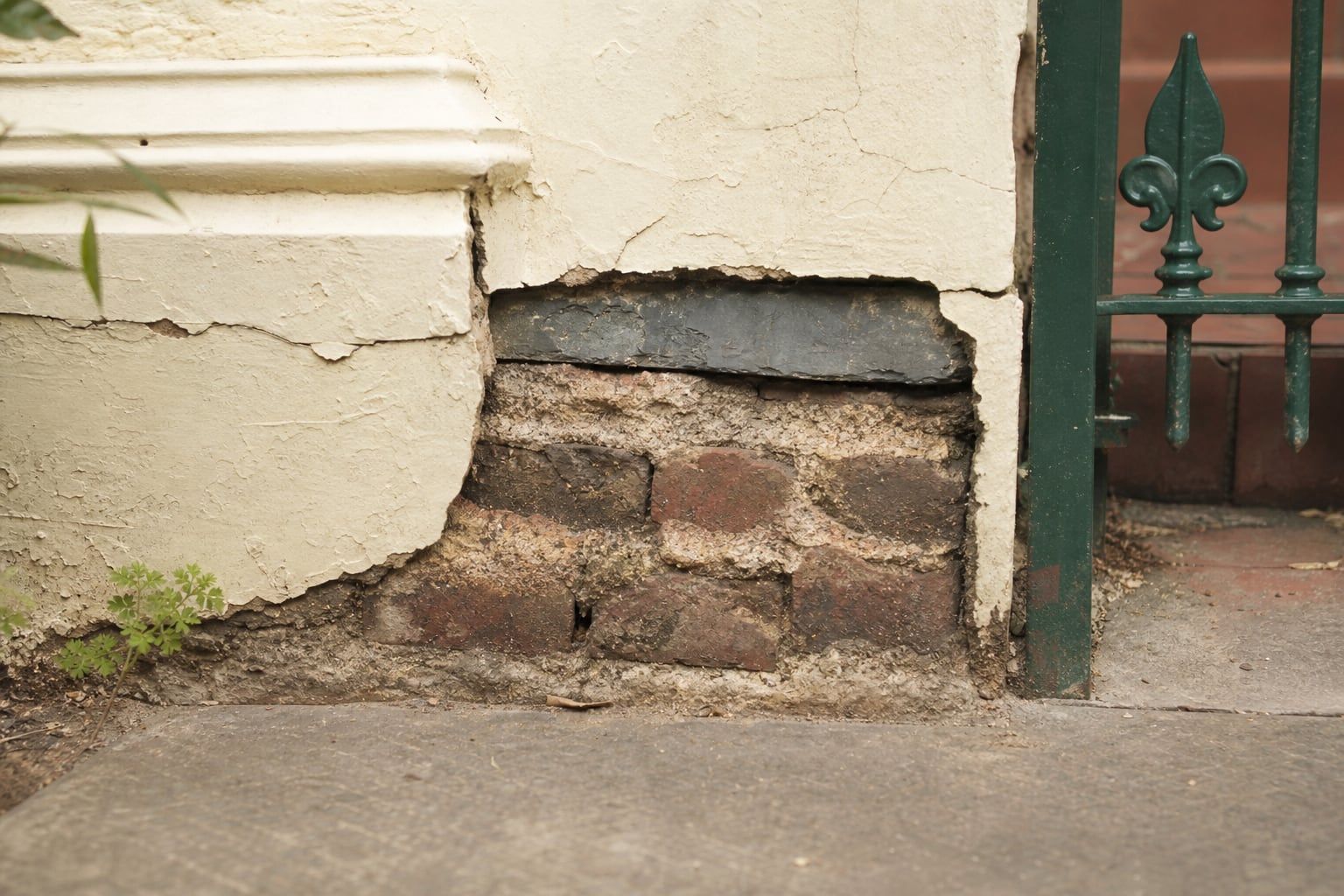
What good physical damp course looks like
Frequently asked questions
Is a physical damp course better than injection?
Neither is better for every wall. Injection suits most solid brick walls with sound mortar. A cut-in membrane suits walls where injection would struggle, such as very wet walls, crumbling mortar or some stone walls. We recommend the one that fits your wall.
Is it safe to cut into a load-bearing wall?
Yes, when it's done in short, staggered sections with each one packed before the next is cut. The wall is never left unsupported over a long length.
How long does it take?
Longer than injection, because the work goes section by section. A typical terrace side wall takes a few days, which we confirm in the quote.
Physical Damp Course in the Inner West: step by step
- Assess the wallWe check the wall material, mortar, thickness and loads to confirm a cut-in membrane suits it.
- Cut a short sectionA narrow slot is cut through the mortar joint for a short length, so the wall stays fully supported.
- Insert and packThe new damp course membrane goes in and the slot is packed tight with mortar before the next section is cut.
- Make goodThe joints are pointed to match and the inside is replastered once the wall has dried.
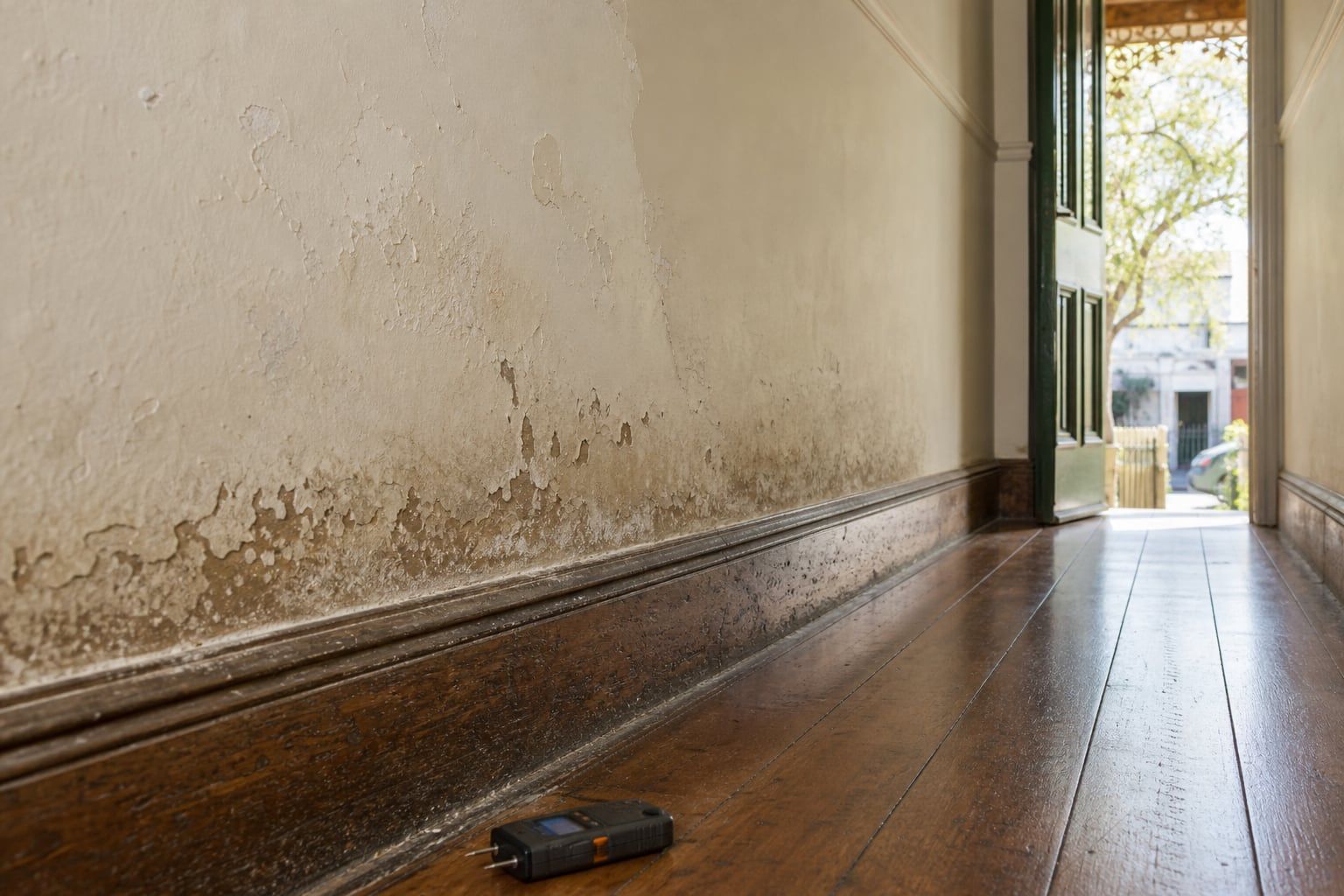
Physical Damp Course across the Inner West
Ready to get it quoted?
Get a fast, free quote from a local damp specialist. No obligation.