Musty damp smell in the house: finding the source
Where the musty smell in older homes comes from, the subfloor and wall problems behind it, and how to get rid of it for good.
A musty damp smell is often the first sign of a moisture problem, long before stains or flaking paint appear. In Inner West homes it is one of the most common reasons people call us. The smell is the result of mould and mildew growing somewhere damp, and in older terraces and cottages that somewhere is usually under the floor, inside the walls, or both. This guide explains where a musty smell comes from, how to track it down and what fixes it permanently.
What causes a musty damp smell
Mould and mildew release gases as they grow, and those gases give damp houses their characteristic earthy, stale smell. Mould needs moisture, a little warmth and something to feed on, such as timber, dust, paper on plasterboard or soap scum. Find the moisture and you have usually found the source.
In the Inner West, the most common sources are:
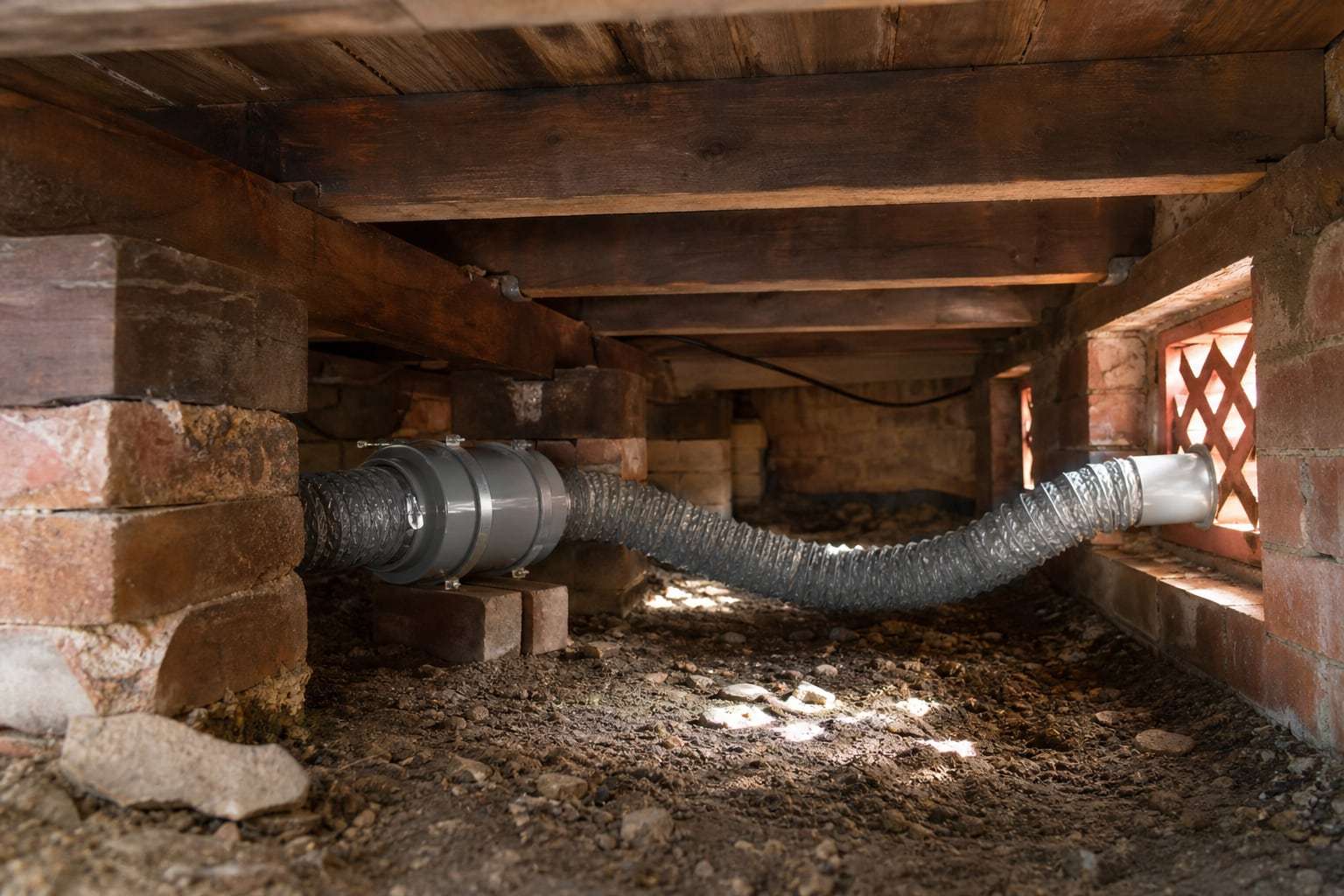
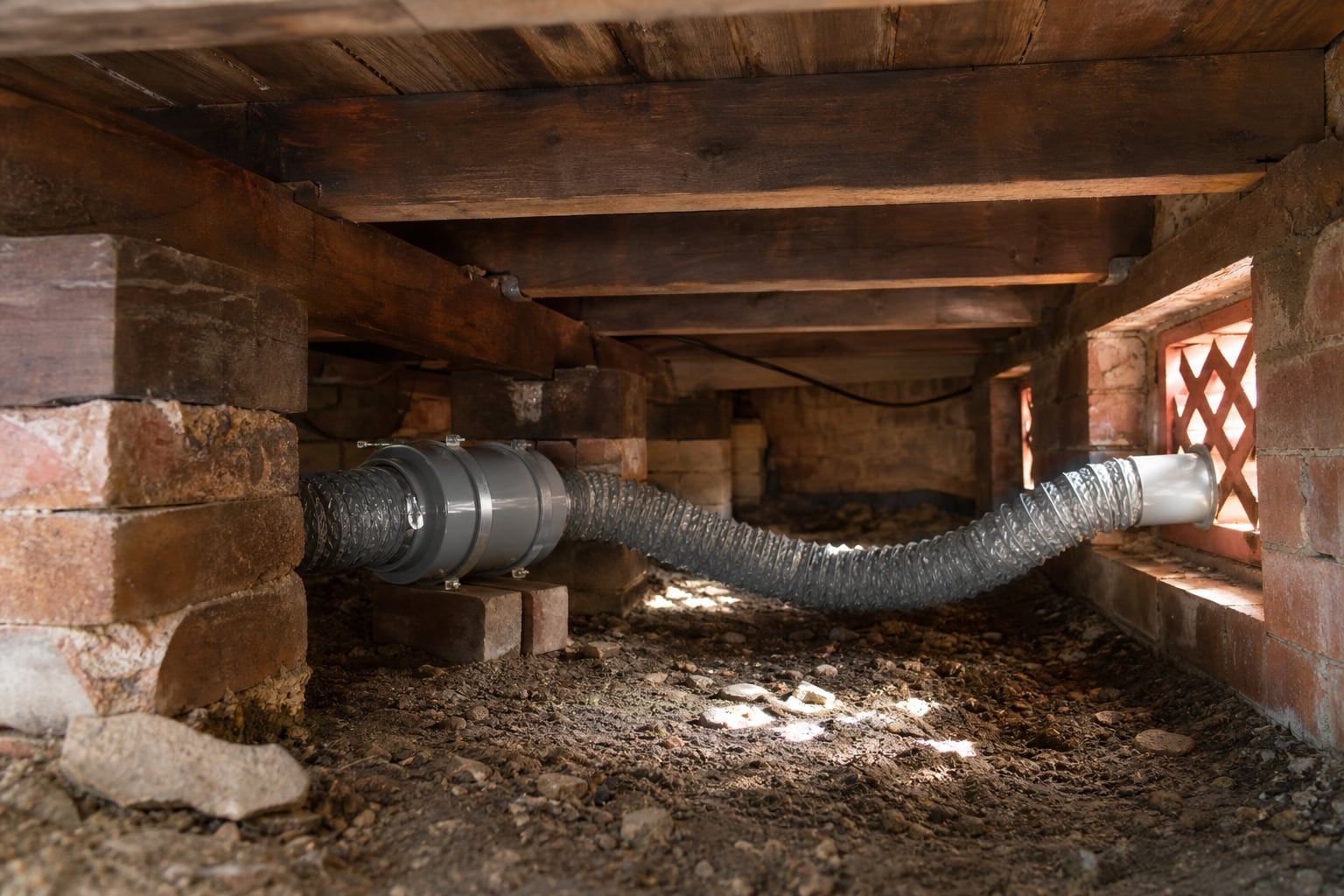
A damp subfloor. Most older homes here have suspended timber floors over a shallow space. If that space is poorly ventilated, moisture from the ground builds up as damp air, mould grows on the timbers and soil, and the smell rises through gaps in the floorboards.
Rising damp in the walls. Walls drawing water from the ground stay damp at the base, and mould grows on the plaster, behind skirtings and on the back of furniture pushed against them.
Water coming in from outside. Garden beds against the wall, a courtyard sloping towards the house, broken downpipes and leaking stormwater pipes all put water where it shouldn’t be.
Condensation. Bathrooms and laundries without good exhaust fans, and cold external walls behind wardrobes, collect moisture and grow mould.
Tracking down the source of the musty smell
Start with your nose. The smell is usually strongest in one or two rooms, or near particular walls or cupboards. Rooms with timber floors on the shady side of the house, built-in wardrobes on external walls, and rooms that are often closed up are common culprits.
Then look for the signs that go with each cause.
Look under the house if you can safely get to the subfloor. Check whether the vents in the external walls are clear or have been painted over, blocked by paths and garden beds or covered by later extensions. Look at the bearers and joists for dark staining, white or grey fuzz, or soft, crumbly timber. Wet soil, puddles or a strong smell under the house point clearly to a subfloor problem.
Look at the walls for rising damp tide marks, bubbling paint, salt, or skirting boards that are soft or coming away. Look behind furniture and inside cupboards on external walls for mould on internal walls.
Outside, walk around the house after rain. Look for downpipes that discharge onto the ground near the wall, paving that slopes towards the house, garden beds piled above the level of the floor inside, and damp patches at the base of the walls.
Why masking it doesn’t work
Air fresheners, purifiers and portable dehumidifiers can make a room smell better for a while, but they don’t touch the source. A dehumidifier pulls moisture out of the air in one room while the subfloor keeps supplying more from below. Bleaching mould off a wall removes the stain but not the damp that grew it. The smell comes back as soon as you stop.
How rising damp and subfloor damp are fixed
The fix depends on where the moisture is coming from, which is why an inspection comes first.
For a damp subfloor, the answer is subfloor ventilation. That can mean clearing and adding wall vents so air can cross the subfloor, or installing a quiet fan system that draws damp air out and lets dry air in. In many terraces, where solid party walls and low floors trap air, fans are needed to get it moving.
For rising damp in the walls, a new damp course is installed, usually by injection, and the salt-laden plaster is replaced with a salt-resistant render. Our rising damp treatment page explains the process.
For water coming in from outside, the drainage is fixed: lowering garden beds, regrading paving, reconnecting downpipes, or adding a drain at the base of the wall. Where soil sits against a wall below floor level, tanking and drainage work may be needed.
For condensation, better ventilation in the room, an exhaust fan ducted outside and some changes in how the space is used usually sort it out.
Many Inner West homes have more than one of these going on. A damp subfloor and rising damp in the internal walls often come together, because the walls are standing in the same damp ground. We check for all of them and quote the combination that will actually get rid of the smell.
After the fix
Once the source is dealt with, the smell fades as the house dries. Timber and masonry that have been damp for years take a while to dry out, but most homeowners notice a difference within weeks. Keep vents clear of plants and stored items, and keep garden beds and mulch well below the floor level.
Get it checked
A musty damp smell is a warning that something is staying wet. Our inspection is free: we check the subfloor, take moisture readings in the walls and look at drainage outside, then explain what we found and give you a written fixed-price quote. We cover the whole Inner West, including rising damp in Drummoyne, rising damp in Ashfield and the suburbs around them.
Updated
Frequently asked questions
Why is the musty smell worse in the morning?
Overnight the house is closed up and cooler, so damp air from the subfloor and walls builds up without being flushed out. Opening up and warming the house during the day masks it, which is why it's often noticed first thing.
Will an air purifier or dehumidifier fix it?
They can reduce the smell in one room, but they don't fix the source. If the damp is coming from under the floor or up through the walls, the smell returns as soon as the machine is off.
Is a musty smell harmful?
The smell itself comes from mould and mildew growing somewhere in the house. Mould can affect people with asthma, allergies or weakened immune systems, so it's worth finding and fixing the cause rather than covering it up.
Subfloor Ventilation in the Inner West
More guides for Inner West homeowners
Ready to get it quoted?
Get a fast, free quote from a local damp specialist. No obligation.