Rising Damp in Glebe
Damp courses, salt-resistant replastering and subfloor ventilation for Glebe terraces and sandstone villas.
Rising damp in Glebe homes
Glebe has one of the densest collections of Victorian terraces in Sydney, from the rows off Glebe Point Road to the bigger sandstone villas near the harbour and Jubilee Park. Almost all of them were built before modern damp courses, with solid brick or stone walls standing directly on sandstone footings. That makes rising damp one of the most common problems Glebe homeowners call us about.
What we usually find in Glebe
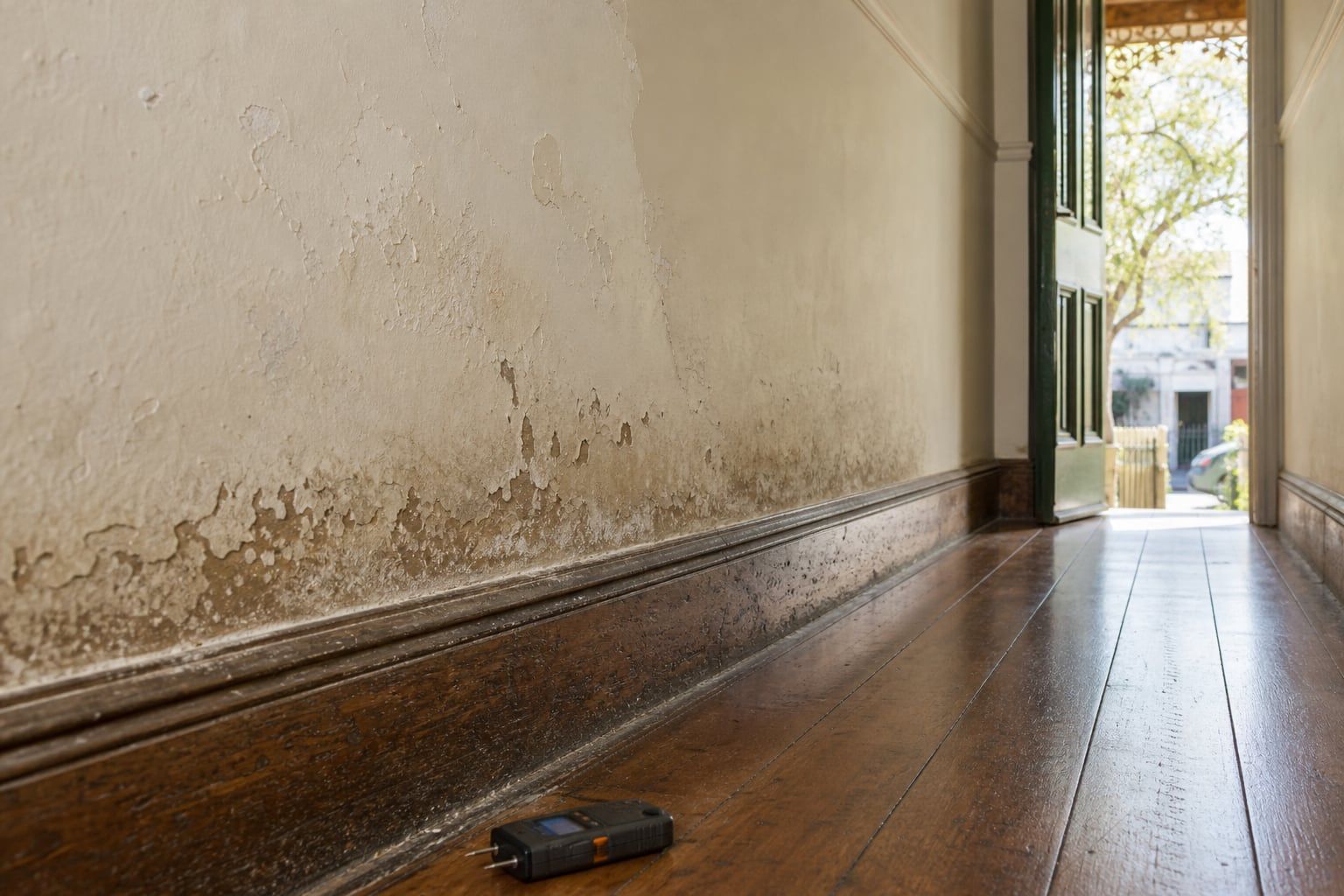
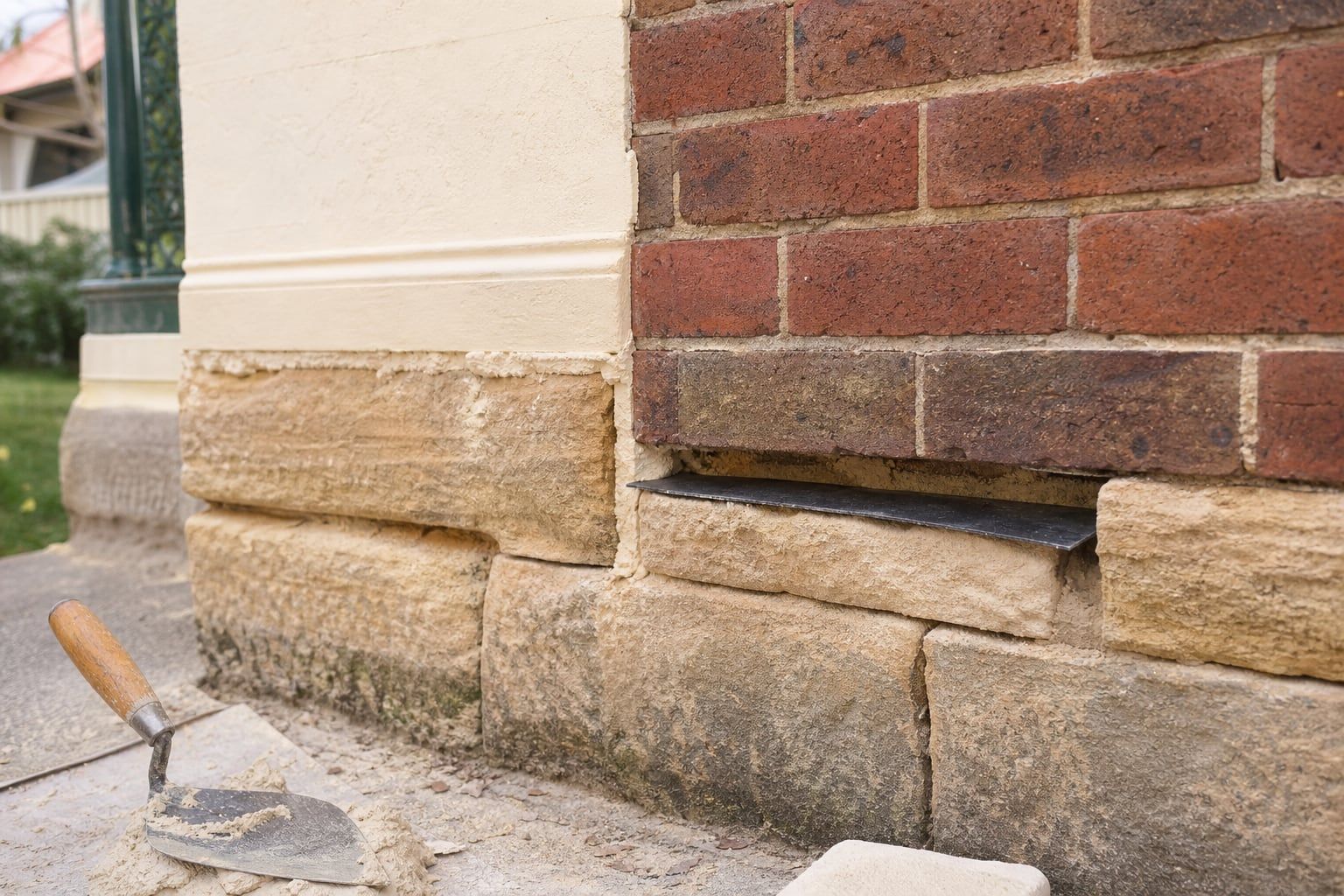
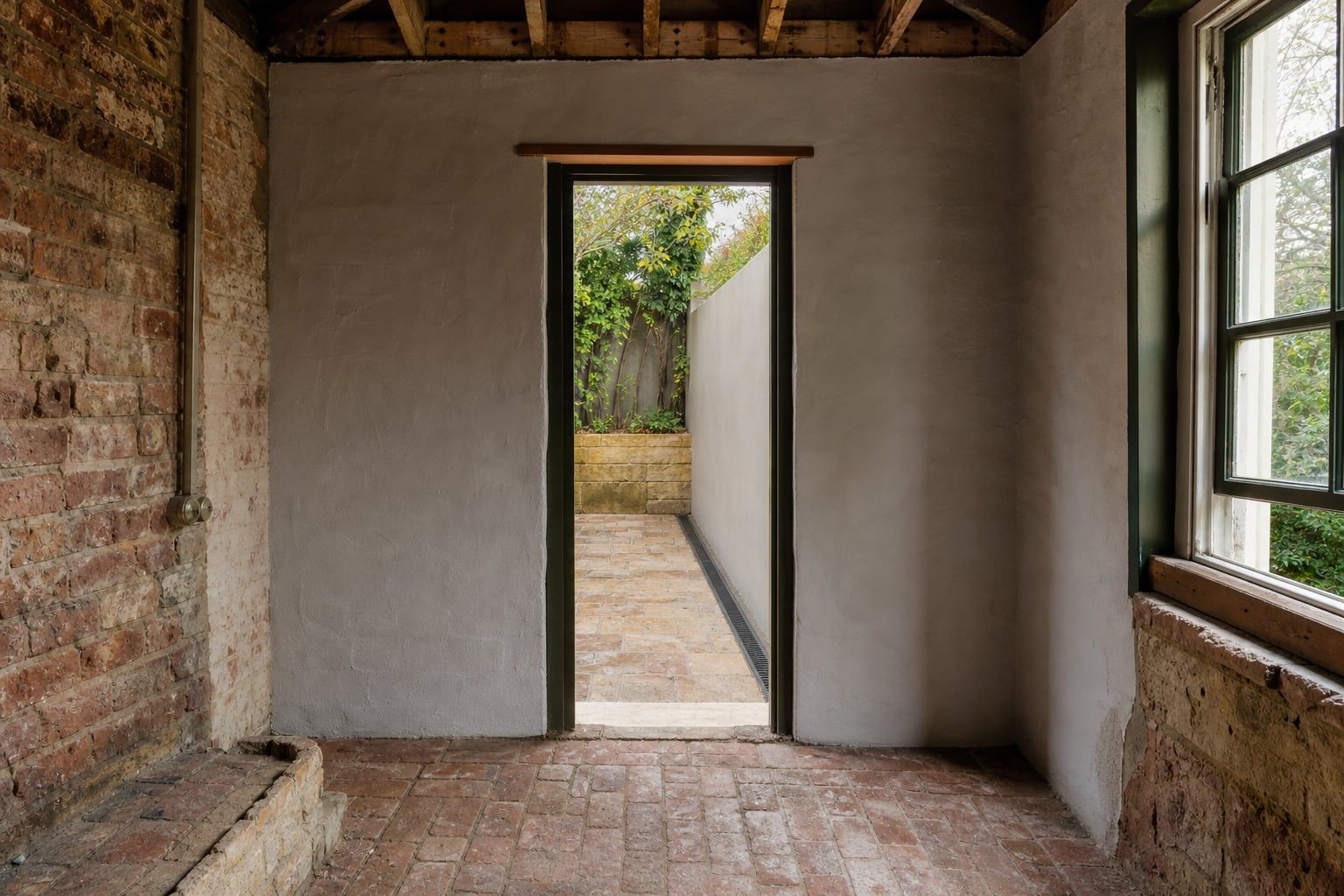
Most Glebe terraces we inspect have a failed slate damp course, cracked as the house has settled over 150 years, or patches of bitumen that have gone brittle. Party walls between terraces often carry damp right through the house, so the hallway and front room show tide marks even when the outside walls look fine. Lower-ground rooms on the sloping streets towards Blackwattle Bay and Rozelle Bay are often wet from the side, because the ground behind them is higher than the floor.
Rear courtyards are another common cause. Over the decades, many have been paved, then paved again on top, until the surface sits above the original damp course and the subfloor vents. Water then goes straight into the wall.
How we treat Glebe walls
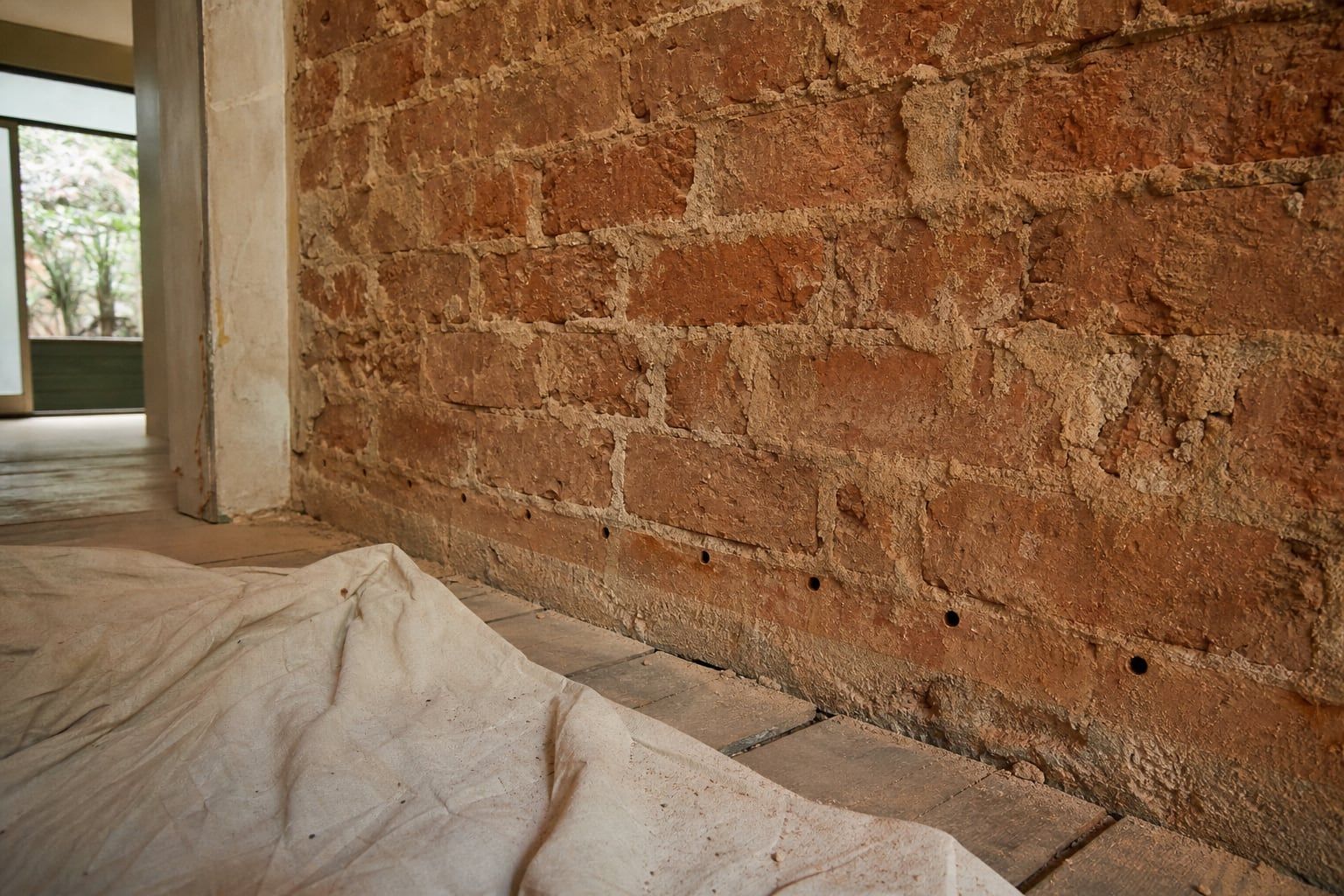
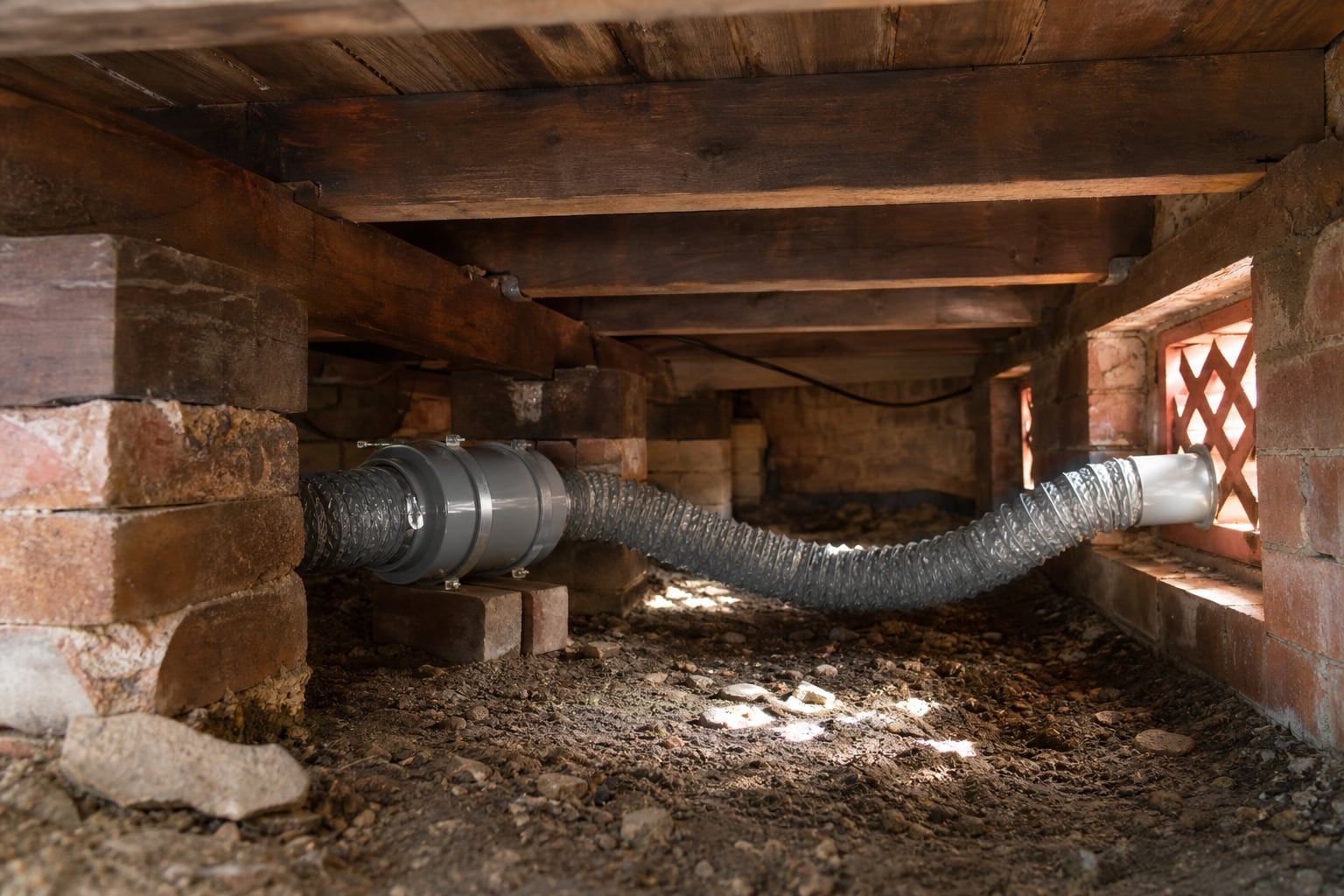
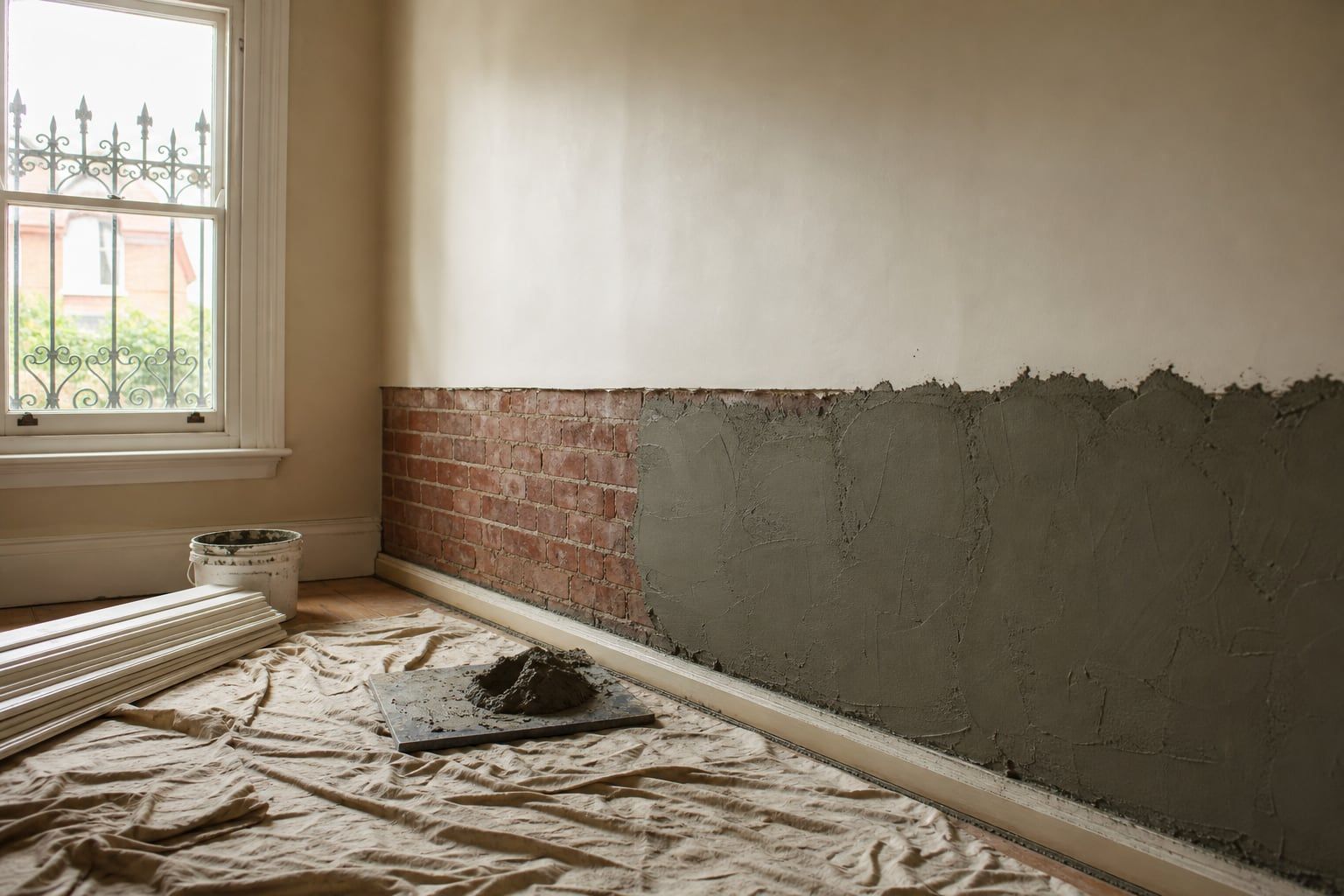
For most brick walls we install a chemical damp course injected into the mortar joint, then replace the salt-laden plaster with a salt-resistant render. Sandstone walls and very wet walls sometimes need a cut-in membrane instead. Where the floor is timber and the subfloor is closed up, we add ventilation so the internal walls can dry.
Because so much of Glebe is a heritage conservation area, we keep original fabric wherever we can and use lime-compatible mortars and renders. Repairs are made to match the existing walls.
Before you book
If you have seen salt deposits on walls or a brown line along the skirting, those are good things to point out at the inspection. It’s free, and you get a written fixed-price quote. Glebe sits right next to Forest Lodge, Annandale and Camperdown, and we work in all of them.
Updated
Rising damp services in Glebe
Rising damp guides for Glebe homeowners
Rising damp in nearby suburbs
Why use us
Built for old walls
Solid brick, sandstone footings and lime mortar are what we work on every week, so the treatment is chosen for the wall, not the other way round.
Cause first
We measure moisture and check drainage, ground levels, leaks and ventilation before recommending a damp course, so you only pay for what fixes the problem.
Fixed-price quotes
You get a written, fixed-price quote after the inspection, with no obligation to go ahead.
Frequently asked questions
Is rising damp common in Glebe terraces?
Yes. Most of Glebe's terraces date from the mid to late 1800s and were built with slate damp courses or none at all. Many have also had their rear courtyards raised over the years, which bridges whatever damp course is left.
Do I need council approval for damp treatment in Glebe?
Glebe is largely a heritage conservation area under the City of Sydney. Internal damp treatment and like-for-like repairs usually don't need approval, but work that changes the street-facing walls might. Check with the City of Sydney if the work is visible from the street.
Which councils do you work in?
We work across Inner West Council, the City of Canada Bay, Burwood, Strathfield, and the Inner West parts of the City of Sydney and Canterbury-Bankstown.
Ready to get it quoted?
Get a fast, free quote from a local damp specialist. No obligation.